
Winterizing Your Plumbing: A Twin Cities Homeowner’s Guide to Preventing Frozen Pipes
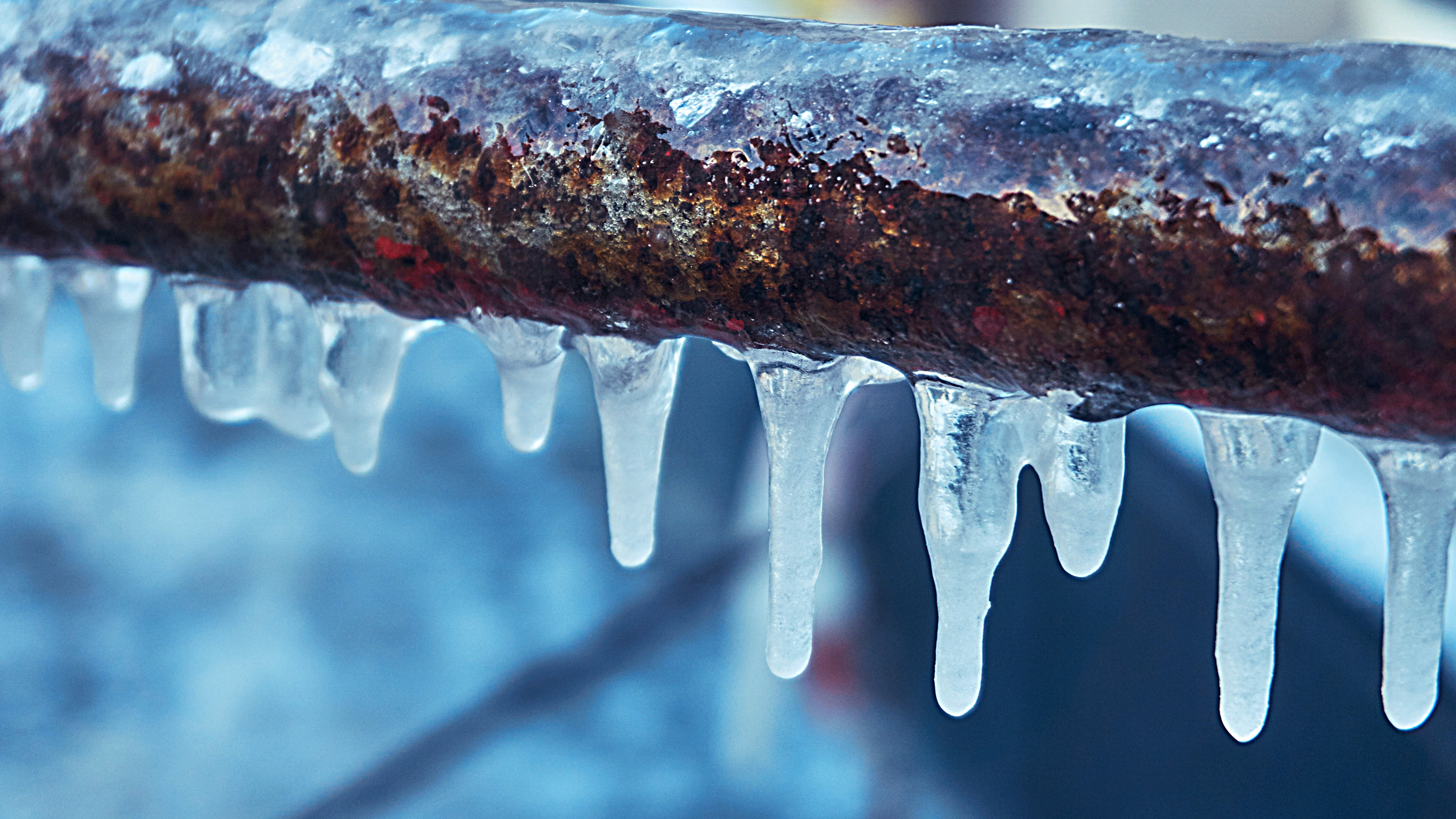
How Do You Prevent Frozen Pipes in a Cold Minnesota Winter?
Preventing frozen pipes in Minnesota means addressing the state’s specific conditions: sustained temperatures below 20°F for days at a stretch, frost lines that reach 42 to 60 inches deep, and older housing stock with uninsulated rim joists. Insulate exposed pipes, seal air gaps, disconnect hoses before first freeze, and keep indoor temps at 55°F or above any time you leave home. The sections below cover each step in detail.
The financial stakes make prevention worth taking seriously.
How Is Frozen Pipe Prevention in the Twin Cities Different from Lincolnshire or Lincolnwood Guides?
Most guides for frozen pipe prevention in Lincolnshire or Lincolnwood cover the same five tips and were written for milder climates. Minnesota’s frost penetrates 42 to 60 inches deep, Twin Cities homeowners own their water service line from the street to the meter, and multi-day stretches below 0°F are routine, not exceptional. The local context changes your risk and your repair bill in ways no generic guide addresses.
In Minneapolis, the city confirms that homeowners own the entire water service line from the connection at the water main all the way to the meter, including the stop box at the curb. If that line freezes, you hire and pay for the repair. The City of Minneapolis Frozen Water Lines page lays out the homeowner’s responsibility in plain terms and lists a contractor referral as the only help the city offers. For water emergencies involving a frozen or broken city main, the 24-hour number is 612-673-5600. St. Paul works differently: Saint Paul Regional Water Services owns the line in the street right-of-way, and you own from the property line into the building. Either way, a significant stretch of buried pipe is your financial responsibility - and no UK or Midwest service page ever tells you that.
Why Do Pipes Freeze? The Science of Cold
What’s going on in your pipes when the air gets below freezing? Think back to the days when people used ice cube trays in their freezer to make ice. You were always cautioned to only fill the trays about 3/4 full, because water expands when it freezes. The same thing happens to the water sitting inside your pipes. As the water expands, it creates immense pressure on the pipe. It may not burst right away, but the increased pressure weakens those pipes and sets you up for an icy disaster.
Building science research puts the key threshold at around 20°F of sustained outdoor temperature. At that point, pipes running through unheated interior spaces - rim joist cavities, garage walls, cabinets on exterior walls - are at serious risk. The Twin Cities average 19 days per year below 0°F and regularly sees multi-day stretches below 20°F. That sustained cold is what separates a Minnesota winter from a brief cold snap elsewhere.
A note on pipe material. Most Twin Cities homes built after roughly 2000 use PEX supply lines. PEX has some expansion tolerance, but it still fails under a sustained freeze, especially at fittings. Older homes with copper pipes see more sudden bursts because copper has no give. The prevention steps are the same for both materials, but knowing your pipe type helps you prioritize where to look first.
In the Twin Cities, certain pipes are particularly susceptible to freezing:
- Pipes located in exterior walls.
- Plumbing that runs through unheated areas like crawl spaces, garages, or unfinished basements.
- Pipes that run near an uninsulated foundation or vent.
- Pipes at the rim joist, where the foundation wall meets the floor framing. This is a common weak point in older Twin Cities bungalows and ramblers.
Even a small crack or gap in your home’s exterior can allow enough frigid Minnesota air to reach a pipe and cause a freeze in a matter of hours. That’s why we recommend homeowners do all that they can to keep their pipes warm and their water flowing.
Proactive Frozen Pipe Prevention for Twin Cities Homes
The best solution is prevention. A few simple steps can lower the risk of dealing with frozen pipes this winter:
- Disconnect exterior hoses: Before the first deep freeze, disconnect all outdoor hoses. Failure to do so can trap water near the exterior faucet, freezing the line and potentially bursting your internal piping. Once disconnected, close the inside shutoff valve, open the outside bib to drain it fully, and leave the outside valve open so any residual water can expand without cracking the pipe.
- Know your sillcock type: Twin Cities homes built before roughly 1980 often have standard sillcocks, not frost-free ones. A standard hose bib must be shut off from the interior shutoff valve and drained before first freeze. Newer homes typically have frost-free sillcocks, but they still need the hose disconnected. Leaving a hose attached traps water inside the valve body and defeats the frost-free design entirely.
- Insulate vulnerable pipes: Locate any pipes that are in unheated areas of your home, like basements, crawl spaces, or attics. Wrap them well with foam pipe insulation or heat tape. Use only UL-listed heat tape or heat cable - products approved for interior use and exterior use differ, so follow the label exactly.
- Seal air leaks: Check your home for air leaks around windows, electrical wiring, cable lines, and vent openings. Seal any gaps with caulk or expanding foam. The less cold air gets in, the warmer your pipes stay.
- Maintain your home’s indoor temperature: If you plan to travel, never set your thermostat below 55°F. Even a slightly warm home can prevent frozen pipes from occurring while you’re away.
Consider Smart Temperature Monitoring
One category no current frozen pipe guide covers: remote temperature monitoring. Freeze alarms and smart temperature sensors send smartphone alerts when your home’s interior drops toward the 20°F risk zone, giving you time to act before a pipe freezes. If you will be away during a forecast polar vortex, that alert is the difference between an early intervention and a $30,000 claim. At minimum, a smart thermostat with a remote app lets you raise the home’s temperature from anywhere. Our team can walk you through monitoring options as part of a pre-winter plumbing inspection - call (763) 296-1844 to schedule one before the first hard freeze.
Don’t Overlook Your Sump Pump Discharge Line
One freeze failure that most guides miss entirely: the sump pump discharge line. During a sustained Minnesota freeze, the buried discharge line can ice over completely. Water backs up, the sump pit overflows, and you end up with basement flooding - not from a burst supply pipe but from blocked drainage. Confirm your discharge line exits well away from the foundation, has adequate slope, and terminates far enough from the house that meltwater doesn’t refreeze at the outlet.
Leaving Town? Plan a Proper Winterization
Many Minnesota homeowners head south for weeks or months at a time. Keeping the thermostat at 55°F is the minimum precaution. For an extended absence, a complete system drain-down is the only reliable protection: shut the main supply, open every fixture to clear standing water, and drain the water heater. Under Minnesota Statute 326B, most plumbing work beyond a simple shutoff requires a licensed plumber and a permit. Call us before you leave. We can winterize the system properly and document it for your insurance file.
When your local forecast calls for extreme, sustained cold, take these additional steps to protect your pipes:
- Open cabinet doors: For pipes running along exterior walls - often under kitchen or bathroom sinks - open the cabinet doors. This lets warm indoor air circulate around the pipes and raise their temperature. The American Red Cross recommends this as one of the most effective steps you can take during a hard freeze.
- Trickle a faucet: During extreme, sustained cold snaps (sub-zero or below-zero wind chills), let a faucet drip overnight. A slight, continuous trickle keeps water moving, which prevents ice from forming in a static column.
What Minnesota Conditions Make Frozen Pipes Worse
Most frozen pipe guides are written for a generic cold climate. Here is what makes the Twin Cities different.
Frost depth. Minnesota’s frost line runs 42 to 60 inches deep, with the Twin Cities metro in Zone II at 42 inches per Minnesota Rules 1303.1600. Minnesota Plumbing Code Rule 4714.0609 requires that building supply and yard piping be located not less than 12 inches below the maximum local frost depth. In the Twin Cities, that calculation places the minimum burial depth at roughly 54 inches below grade. Properly buried supply lines sit below that threshold. But service entries at the foundation wall and pipes running through rim joist cavities do not. Those are the pipes most likely to freeze, and the ones to target first with insulation. In a typical Twin Cities winter, frost reaches full code depth by January to February and holds through March.
Water hardness. Minneapolis water measures 280.5 ppm (16.4 grains per gallon) per the City of Minneapolis 2024 Annual Water Quality Report - classified as very hard and well above the U.S. average of roughly 100 ppm. St. Paul draws from groundwater aquifers and can run harder still. Years of scale buildup narrow the interior of older pipe walls. Narrower pipes see larger pressure spikes when ice forms and are more prone to burst. If your home has older galvanized or copper lines, a pre-winter inspection is a smart investment. Our team also provides water treatment and softening services that reduce scale accumulation over time, protecting pipe interiors heading into each winter.
Watch the NWS Twin Cities forecast. The National Weather Service forecast office in Chanhassen issues freeze watches, wind chill advisories, and extended outlooks specific to the metro. Bookmark it and check it before any predicted polar vortex event. Sustained outdoor temperatures below 20°F for 12 or more consecutive hours is the trigger to take every prevention step above.
Permit requirements. If a pipe bursts and needs repair, Minnesota Statute 326B requires a permit for most plumbing repairs beyond simple fixture swaps. Any re-routing of frozen or burst supply lines is licensed trade work under Minnesota Rule 4714.0609 - DIY pipe replacement is not legal and would fail inspection. Unpermitted work can create complications at home sales and with insurance claims. Work with a licensed plumber and pull the permit.
Who Owns Your Water Service Line in Minneapolis and St. Paul?
This is the question most online frozen pipe guides never answer. Understanding it could save you thousands of dollars.
Minneapolis confirms that homeowners own the entire water service line from the connection at the water main in the street to the meter inside your home, including the stop box at the curb. There is no shared responsibility here. If the line freezes in the ground, you call a plumber and you pay. The City of Minneapolis Frozen Water Lines page confirms this directly and lists a contractor referral as the only help the city offers. For a water emergency - a frozen or broken city main - call 612-673-5600.
If your service line freezes repeatedly, that is a sign it is not buried deep enough. Minneapolis recommends hiring a licensed contractor to lower the line below frost depth as a permanent fix. In Zone II, that means placing the line at least 54 inches below grade - well below the 42-inch frost line. It is a one-time investment that ends the annual freeze cycle.
St. Paul’s structure is different. Saint Paul Regional Water Services owns the line in the street right-of-way. You own the line from the property line into the building. That is still a substantial stretch of buried pipe running through frozen ground.
In both cities, a frozen or failed service line is a licensed plumber’s job. The line runs several feet underground, the thaw protocol requires care to avoid cracking an already-stressed pipe, and any re-routing requires a permit under Minnesota Plumbing Code. This is not a repair for a homeowner with a hair dryer and a YouTube tutorial.
Spotting the Danger Signs of Frozen Pipes
A burst pipe is an obvious emergency, but catching a pipe before it bursts can save you time, money, and a major headache. Be vigilant for these key warning signs during a severe cold snap:
- No water or low pressure: If you turn on a faucet and only get a trickle, or nothing at all, a section of your pipe is likely completely blocked by ice. This is the most common and clear sign of frozen pipes.
- Strange smells: Water, even in pipes, is always slowly moving. If you notice a faint, sewer-like odor coming from a sink or drain, it may indicate a blockage. Ice can prevent water from draining properly, allowing gases to back up.
- Visible frost: For exposed pipes (like those in a basement or crawl space), a coating of frost or ice on the outside of the pipe is a definitive sign of a problem.
- Bulging pipe: In rare cases, especially with PEX or plastic piping, the pipe may visibly bulge where the ice block is forming due to pressure. Never touch a visibly bulging pipe.
If you observe any of these signs, act immediately. Time is absolutely critical to avoid a rupture.
Safe Thawing Methods - What to Do Now
If you suspect you have frozen pipes but they have not burst, follow these steps immediately. Do not use an open flame, propane torch, or boiling water poured directly on the pipe, as this can crack the pipe, cause burns, or start a fire.
Open the faucet. Locate the frozen pipe and the corresponding faucet. Keep the faucet turned on. Even a tiny trickle of water helps relieve pressure and allows running water to eventually melt the ice blockage. Moving water resists ice formation - that is the physics behind both the drip technique and the Minneapolis service line protocol described below.
Apply gentle heat. Use one of these methods to warm up your pipes:
- Hair dryer: This is the safest, most effective method for homeowners. Start at the end of the pipe nearest the faucet and move slowly toward the blockage.
- Heating pad: Wrap the affected area with a heating pad, electric blanket, or warm towels.
- Portable space heater: You can place a portable heater nearby, aimed at the pipe, especially in a basement or crawl space. Always maintain a safe distance from flammable materials and never leave a space heater unattended.
The Minneapolis Trickle Rule: Don’t Turn It Off
If your service line has frozen or is at risk during a sustained hard freeze, the City of Minneapolis recommends running a pencil-width stream of cold water continuously until the ground has fully thawed. The detail most people miss: do not turn the trickle off, even briefly. A service line that has recently thawed or is only partially frozen will re-freeze quickly the moment flow stops. Keep that trickle running through the cold stretch - in a typical Twin Cities winter, frost holds through March and can linger into early April. Keep the drain clear while the faucet runs; a slow drain turns a smart prevention step into a flooding risk.
When to Call Northern Benjamin Franklin Plumbing
If the pipe is hidden behind a wall, ceiling, or under the floor, or if you cannot thaw the pipe within an hour, call a professional. Our expert technicians have specialized equipment to locate and thaw your frozen pipes without causing further damage to your home or plumbing system.
Lead Service Line Replacement: A Related Program Worth Knowing
If your Minneapolis or St. Paul home has an older lead or galvanized water service line, freeze risk is not your only concern. Both cities are replacing lead service lines at no charge to homeowners. Minneapolis is working toward the state’s full-replacement goal of 2033, with a federal deadline of 2037. St. Paul’s Lead Free SPRWS program replaces lines at no cost as well.
This connects to frozen pipe risk in a practical way. Aging lead and galvanized lines narrow over time as corrosion and scale accumulate on the interior walls. A narrower pipe pressurizes faster when ice starts to form and is more likely to burst. A new replacement line is properly installed at code depth, made of modern materials, and substantially more resistant to freeze failure than a line installed 50 or 60 years ago.
If your home has not yet had its service line replaced and you have not been contacted by your city, reach out to your water utility directly to check your status. Scheduling is coordinated through the city, and the line replacement itself is free to you. Any additional re-piping work your plumber recommends while access is open does require a permit under Minnesota Plumbing Code Rule 4714.0609.
Dealing with frozen pipes is a daunting reality for Twin Cities homeowners, but it doesn’t have to be a disaster. By taking the proactive steps outlined above, you can get through the coldest months with your plumbing intact. If you encounter a pipe emergency, or if you want an expert to assess your home’s plumbing vulnerabilities before the next cold snap hits, call Northern Benjamin Franklin Plumbing at (763) 296-1844. We provide reliable, on-time service throughout the Twin Cities area, backed by our On-Time Guarantee(R): if there is any delay, it’s you we pay! Contact us today for all your plumbing needs.
Need a technician now?