
Protect Your Pipes: 10 Essential Fall Plumbing Prep Tips for Your Home
What are the best fall plumbing tips for Twin Cities homeowners?
Disconnect outdoor hoses, shut off exterior water supply lines, insulate exposed pipes, flush your water heater, test your sump pump, clear gutters, fix small leaks, and schedule a professional plumbing check before temperatures fall below 20°F. Complete each task in October. November is often too late for several of them.
Winter comes fast to the Twin Cities. Northern Benjamin Franklin Plumbing has put together this complete fall prep checklist for Twin Cities homeowners, covering not just the basics every plumber recommends but the local details that national guides skip: the local frost line depth, who legally owns your sewer lateral, and how to stack state and utility rebates if fall is the right time to replace your water heater.
Fall plumbing checklist
Nobody wants to encounter a plumbing emergency, especially in the winter when it’s miserably cold and you just want to plunge into a hot bath. Take advantage of a September or October weekend and knock off some timely chores. You’ll be glad you did when the freezing temperatures take over and you’re not worrying about a burst pipe.
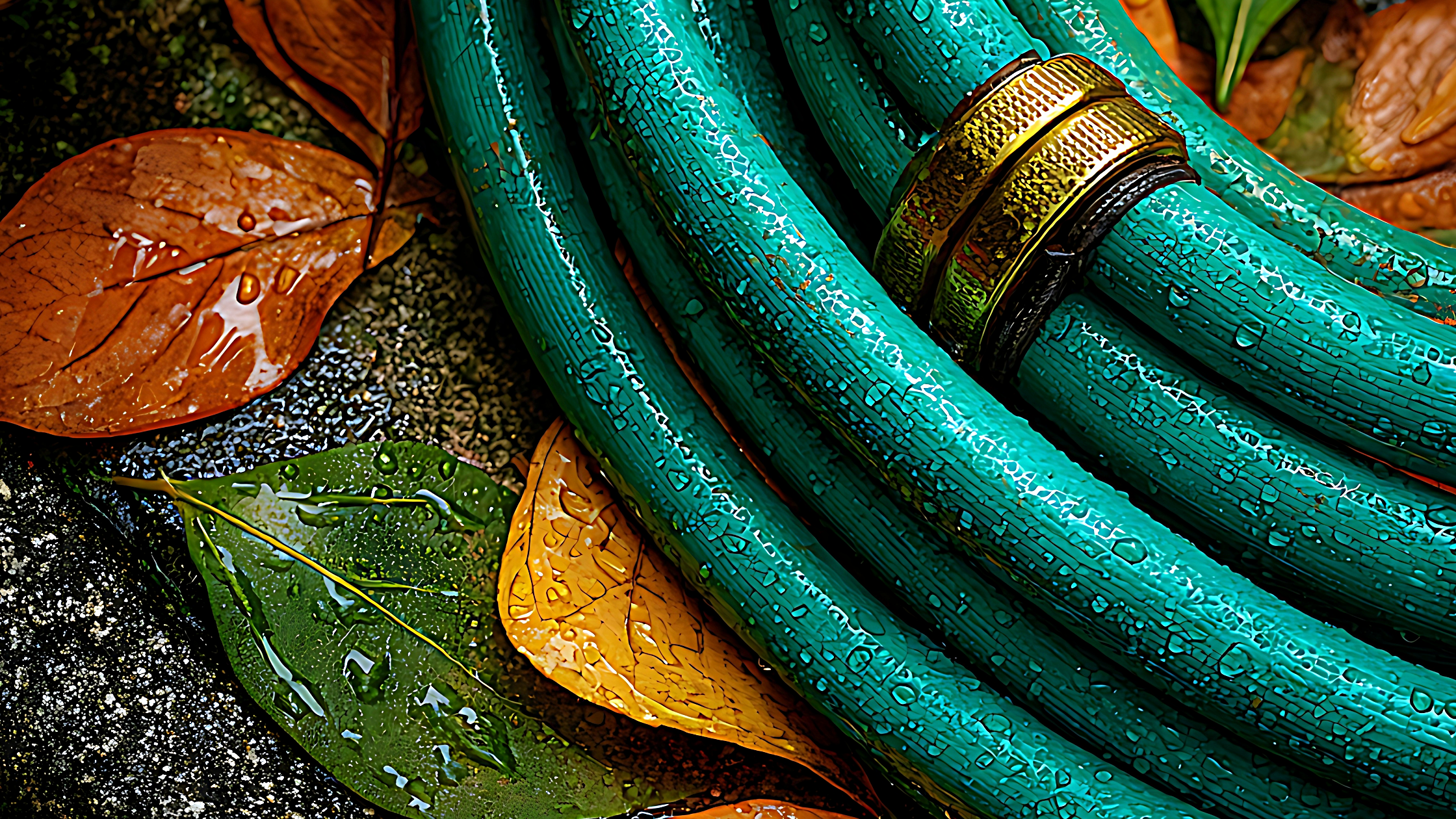
Disconnect and drain hoses: Leaving hoses attached can cause water to freeze in the hose or the spigot itself, leading to burst pipes in frigid weather. It’s time to remove all garden hoses from their spigots. Drain any remaining water and store them in a garage or shed.
Turn off your outdoor water supply: You can usually find the shut-off valve for your exterior water lines in your home’s basement or utility room. Turn it off this fall and leave it off. Make sure you also open the outdoor spigot afterwards to allow any remaining water to drain out, relieving pressure in the line.
Insulate exposed pipes: Your home’s plumbing fixtures appreciate an extra layer of warmth, and insulation can mean the difference between a burst pipe and an intact one if we’re hit with Old Man Winter’s deep freeze. Take advantage of a rainy fall day to check your basement, crawl spaces, and exterior walls for any exposed pipes. Use foam pipe insulation, heat tape, or old towels to wrap them. Pipes in exterior walls and unheated spaces can begin to freeze at 32°F, but sustained temperatures at or below 20°F are when failures become likely. Minnesota regularly dips well below that threshold by January.
Inspect your water heater: Give your water heater a quick check this fall to make sure it’s running well and not on the verge of a breakdown. Look for any signs of leaks or corrosion. Flush a few gallons of water from the tank to remove sediment buildup, which can improve efficiency and extend its lifespan. Hint: The trained professionals at Northern Benjamin Franklin Plumbing can give your water heater a professional tune-up, inspecting the entire unit, testing the thermostat, checking the anode rod and flushing out sediment that can damage your tank over time. We recommend these annual professional tune-ups to keep your hot water running strong.
Clean gutters and downspouts: While this might seem like a roofing task, clogged gutters have a plumbing component in them. If water is allowed to back up and freeze, this can potentially damage your home’s foundation and exterior plumbing. Clear leaves and debris to ensure proper drainage.
Check for leaks: If you can catch leaks while they’re still small, they’re a lot easier to fix, and they guard against watery surprises in the winter. Go on a “leak hunt” throughout your home. Check under sinks, around toilets, and at the base of your water heater for any drips. A small leak can become a big problem when temperatures drop.
Address slow drains: A clogged drain is more than just a nuisance. If standing water is allowed to freeze, it can cause a bigger blockage or a pipe burst in colder weather. Now is the time to address those clogs. Use a plunger or a plumber’s snake to clear minor clogs. Or call on Northern Benjamin Franklin Plumbing for a service call.
Winterize sprinkler systems: If you have an irrigation system, it’s crucial to have it professionally “winterized.” This process involves blowing out all the water from the lines with an air compressor to prevent them from freezing and cracking. Call on a professional for this job.
Schedule a plumbing maintenance visit: Did you know that Northern Benjamin Franklin Plumbing offers a plumbing maintenance service to keep your water flowing at home? Our professional plan takes care of many of the tasks listed above, including leak detection, and also checks and tests your sump pump, water pressure and shut-off valves.
Know your main water shut-off valve location: In case of a plumbing emergency (like a burst pipe), knowing the location of your main water shut-off valve is critical. Show everyone in your household where it is and how to turn it off. This knowledge can save you from major water damage. Then, call Northern Benjamin Franklin Plumbing to take a look. Our team offers emergency plumbing services, responding quickly to minimize any damage and diagnose the issue.
What the 42-inch frost line means for your fall prep window
Most national plumbing guides tell you to prep before 32°F hits and move on. That misses something important for Twin Cities homeowners.
The metro sits in Minnesota frost Zone II, with a frost line depth of 42 inches, per Minnesota Rules 1303.1600. New or repaired water service lines in this zone must be buried at least 54 inches down to stay 12 inches clear of the frost boundary. That number matters if you have exposed or shallow-run lines. The more actionable fact is this: ground surface temperatures lag air temperatures by weeks. The freeze front moves downward through October and November, not overnight.
That makes October your real window for outdoor shutoffs, exposed pipe work, and anything involving buried lines near the surface. Once November cold takes hold, the ground hardens and the options narrow quickly.
On temperature thresholds: pipes in exterior walls and unheated crawl spaces reliably fail when temperatures stay at or below 20°F for a sustained stretch, not when they dip below 32°F for an afternoon. Minnesota regularly drops below 10°F in the coldest months. Keeping your home’s interior temperature at a minimum of 55°F during cold snaps is one of the simplest safeguards available to you.
Who owns your sewer lateral - and why fall is the highest-risk season
This is the fact that catches most homeowners off guard: you own your sanitary sewer lateral from inside your home all the way to the city main under the street, including the connection point itself. Minneapolis Code of Ordinances is explicit on this, and it gives the city authority to perform the work and assess the full cost to the property owner if the homeowner doesn’t act. Most other metro cities have similar ordinances.
Fall is the highest-risk season for root intrusion. As trees and shrubs die back for the season, their roots actively seek out moisture sources, and an aging clay or cast-iron lateral provides exactly that. Small cracks that went unnoticed all summer can admit enough root growth over fall and winter to cause a full backup by spring.
A sewer scope inspection scheduled in October costs a fraction of an emergency repair in February. If your home has mature trees near the lateral’s path, it’s worth adding to your list. Minneapolis also offers a private sewer lateral grant program to help offset repair and replacement costs. Check the link for current eligibility details.
Should you replace your water heater this fall?
The annual flush is the right habit. But fall is also a practical time to honestly assess whether your water heater has another full winter left in it.
According to the U.S. Department of Energy, water heating is one of the largest energy expenses in a typical home. Heat pump water heaters can use up to 70% less energy than standard electric models and are up to four times more efficient.
If you’re on Xcel Energy, the replacement math is worth running. An ENERGY STAR-rated heat pump water heater qualifies for a $400 Xcel Energy rebate, or $500 if you’re enrolled in Demand Management, stackable with a potential $2,000 Minnesota state rebate. Those figures come from Xcel’s published rebate summary at the link above. Contact Xcel and the State of Minnesota directly to confirm current eligibility and program availability.
One practical note: water heater replacement in Minnesota generally requires a permit under Minnesota plumbing code rules. Confirm with your municipality before any work that involves altering supply piping or venting. Our team can walk you through what the job involves. Call (763) 296-1844 or schedule an appointment online and we can help you decide whether a flush, a repair, or a full replacement makes sense for your home.
Gas lines and CO detectors before heating season starts
Fall is when furnaces, water heaters, and boilers shift from standby to daily use. That seasonal ramp-up is one of the higher-risk periods for carbon monoxide incidents. Before the first hard freeze forces the issue, test every CO detector in your home. Replace any unit that is older than five to seven years.
Check gas line connections to your water heater and any gas appliances for signs of corrosion, loose fittings, or a sulfur smell. If you detect a rotten-egg odor near any appliance, leave the house, call the gas company from outside, and have a licensed plumber inspect the line before it returns to service.
Northern Benjamin Franklin Plumbing’s plumbing maintenance service includes a full water heater inspection as part of the annual visit, covering connections, supply lines, and the overall condition of the unit. It’s a practical way to have those checks completed by a licensed professional before temperatures drop.
Fall water softener check for Twin Cities homes
Twin Cities water falls in the moderate hardness range. Minneapolis and Saint Paul both report moderately hard finished water, based on the official monthly mineral reports available at stpaul.gov and minneapolismn.gov. That level of hardness accelerates sediment buildup in water heaters, which is part of why the annual flush matters more here than in softer-water markets.
Before the high-demand months of winter arrive, add a softener check to your fall list. Look for a salt bridge: a hardened crust of salt that forms above the water line in the brine tank and prevents the salt from dissolving properly. Check the resin bed. Confirm the unit is regenerating on schedule. A softener that drifts out of adjustment over fall quietly lets scale accumulate through the entire heating season.
If you don’t have a water softener and you’ve noticed scaling on fixtures or shorter-than-expected water heater life, fall is a reasonable time to look at your options. Call (763) 296-1844 or schedule an appointment online and our team can walk you through what fits your home.
As we venture into the cooler months, Northern Benjamin Franklin Plumbing is the plumber of choice for Twin Cities homeowners. At Northern Benjamin Franklin Plumbing, we don’t just fix pipes, we restore peace of mind. Call us now at (763) 296-1844 or schedule an appointment online to address any plumbing concerns you might have.
#respond
#comments
Need a technician now?